
LSI Lake State Insulation home

Air sealing & hybrid

Air sealing & flash-and-batt hybrid insulation

Air sealing stops the drafts, heat loss and moisture that leak through gaps insulation alone can't close, and it is what gets a new Minnesota home through its required blower door test. We seal top plates, penetrations and rim joists, and install flash-and-batt systems that pair a thin layer of closed-cell foam with fiberglass.

  • Built for the 3 ACH50 blower door
  • Flash-and-batt hybrid walls
  • Attic bypass sealing in existing homes
  • Rim joists, top plates and penetrations
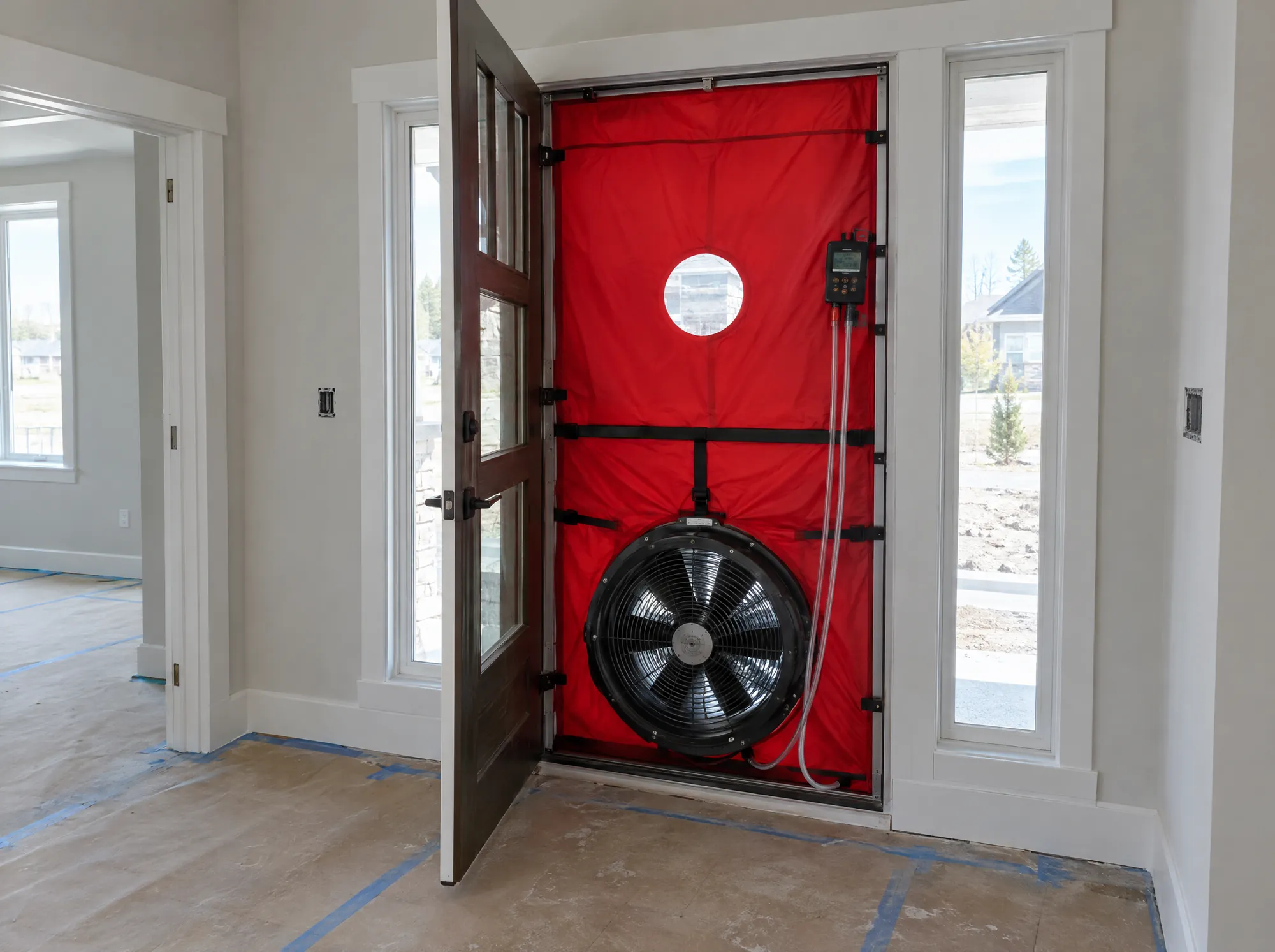
Blower door test with a red panel and calibrated fan fitted in the front door of a new home

Why air sealing matters in Minnesota

Warm indoor air carries moisture. When it leaks through gaps in the ceiling and walls, it carries heat and that moisture with it, into attics and wall cavities where it can frost, melt, drip and feed mold. It is also the main cause of ice dams.

Insulation slows heat moving through a surface, but most fluffy insulation does very little to stop moving air. That is why air sealing comes first, and why Minnesota's energy code measures how airtight every new home is.

Flash-and-batt hybrid insulation

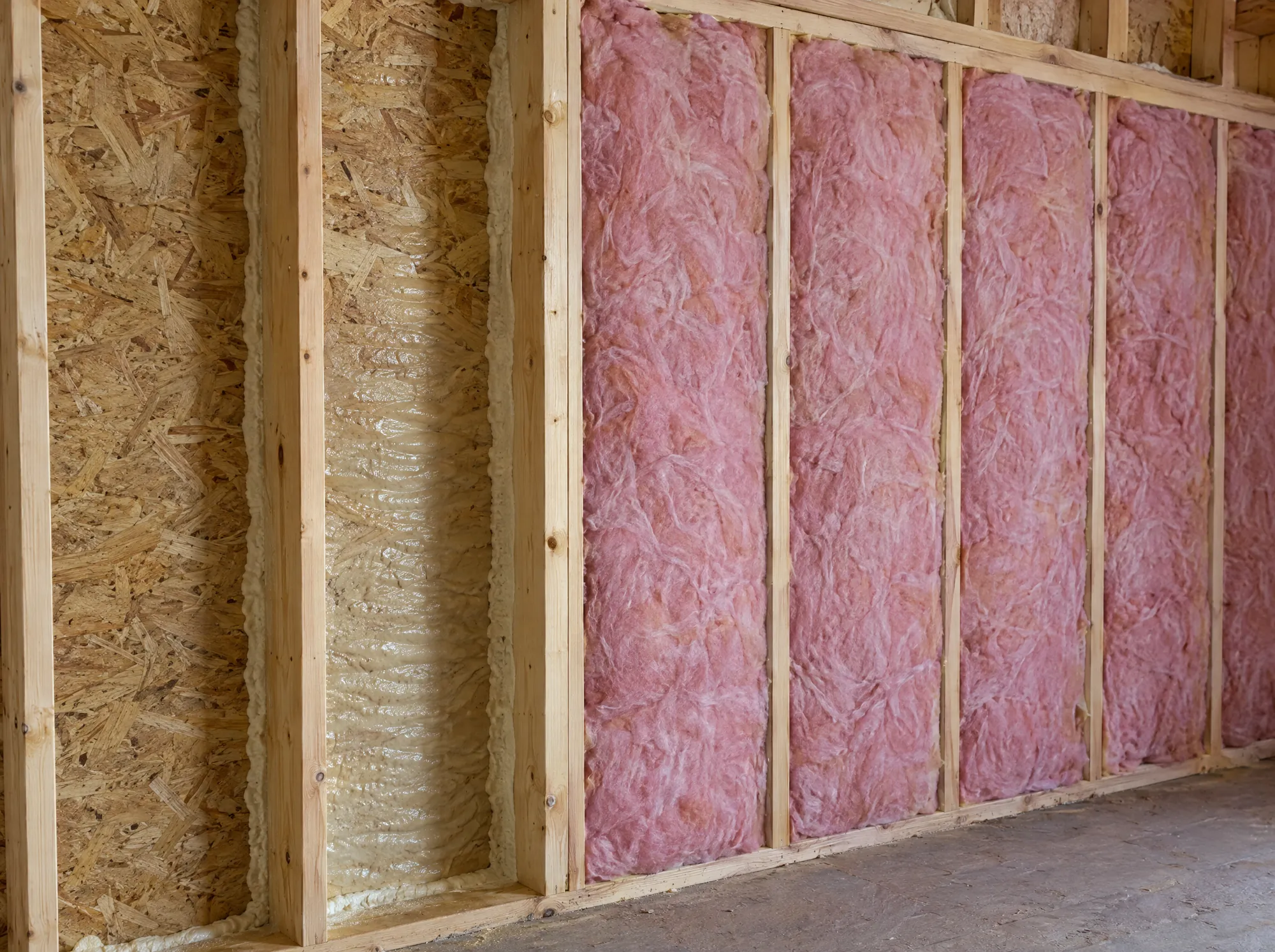
A flash-and-batt wall starts with a layer of closed-cell spray foam, usually 1 to 2 inches, sprayed against the back of the sheathing. The foam air seals the cavity, seals the framing edges and adds R-value on the cold side. Fiberglass batts then fill the rest of the cavity.

You get much of the airtightness of a full spray foam wall at a lower cost. We size the foam layer so the wall meets the energy code and manages moisture correctly for your climate zone.

Stud bays showing thin closed-cell foam on the sheathing, with fiberglass batts installed over it

Passing the 3 ACH50 blower door test

Minnesota's energy code requires every new home to pass a blower door test at no more than 3 air changes per hour at 50 pascals (3 ACH50). A calibrated fan in an exterior door depressurizes the house, and the test measures how fast air leaks back in.

Homes usually fail at the same handful of spots. We seal them before the drywall goes up, when they are easy to reach:

  • Top plates and the drywall-to-framing joint at the ceiling
  • Rim joists and band boards
  • Plumbing, wiring and duct penetrations through plates and floors
  • Window and door rough openings, with low-expansion foam
  • Attic hatches, chases, bath fans and recessed lights

Air sealing existing homes

In an older home, the biggest leaks are usually hidden under the attic insulation: open wall tops, plumbing stacks, chimney chases and gaps around lights and fans. Sealing these attic bypasses before adding insulation is one of the most effective upgrades a Minnesota home can get, and it does more to stop ice dams than insulation alone.

FAQ

Air sealing & hybrid questions

What does 3 ACH50 mean?

It means the house exchanges no more than 3 times its volume of air per hour while a blower door holds it at 50 pascals of pressure. It is the airtightness limit Minnesota's energy code sets for new homes, measured by a blower door test before the home is finished.

Is flash-and-batt as good as full spray foam?

It gets much of the air sealing benefit of full spray foam at a lower cost, because the foam layer seals the cavity and the framing edges. Full closed-cell foam still offers more R-value per inch, better moisture control and added rigidity, so the right choice depends on the wall, the budget and the R-value target.

Should air sealing be done before adding attic insulation?

Yes. Once new insulation is blown in, the leaks under it are buried and hard to reach. Sealing the attic bypasses first keeps warm, moist air out of the attic, which protects the roof deck and helps prevent ice dams.

Tell us about your project

Building a barndo, a custom home or a shop? Reach out and we'll set up a time to see it. No pressure, no guesswork pricing.