
LSI Lake State Insulation home

Attic insulation & venting

Attic insulation & ventilation that stops ice dams

A good Minnesota attic needs three things working together: an airtight ceiling, insulation to at least R-49, and steady airflow from the soffits to the ridge. Getting all three right keeps heat in the house, keeps the roof deck cold and dry, and stops ice dams before they start.

  • Air sealing, insulation and venting together
  • Ice dam prevention
  • Baffles and wind wash dams
  • R-49 or more
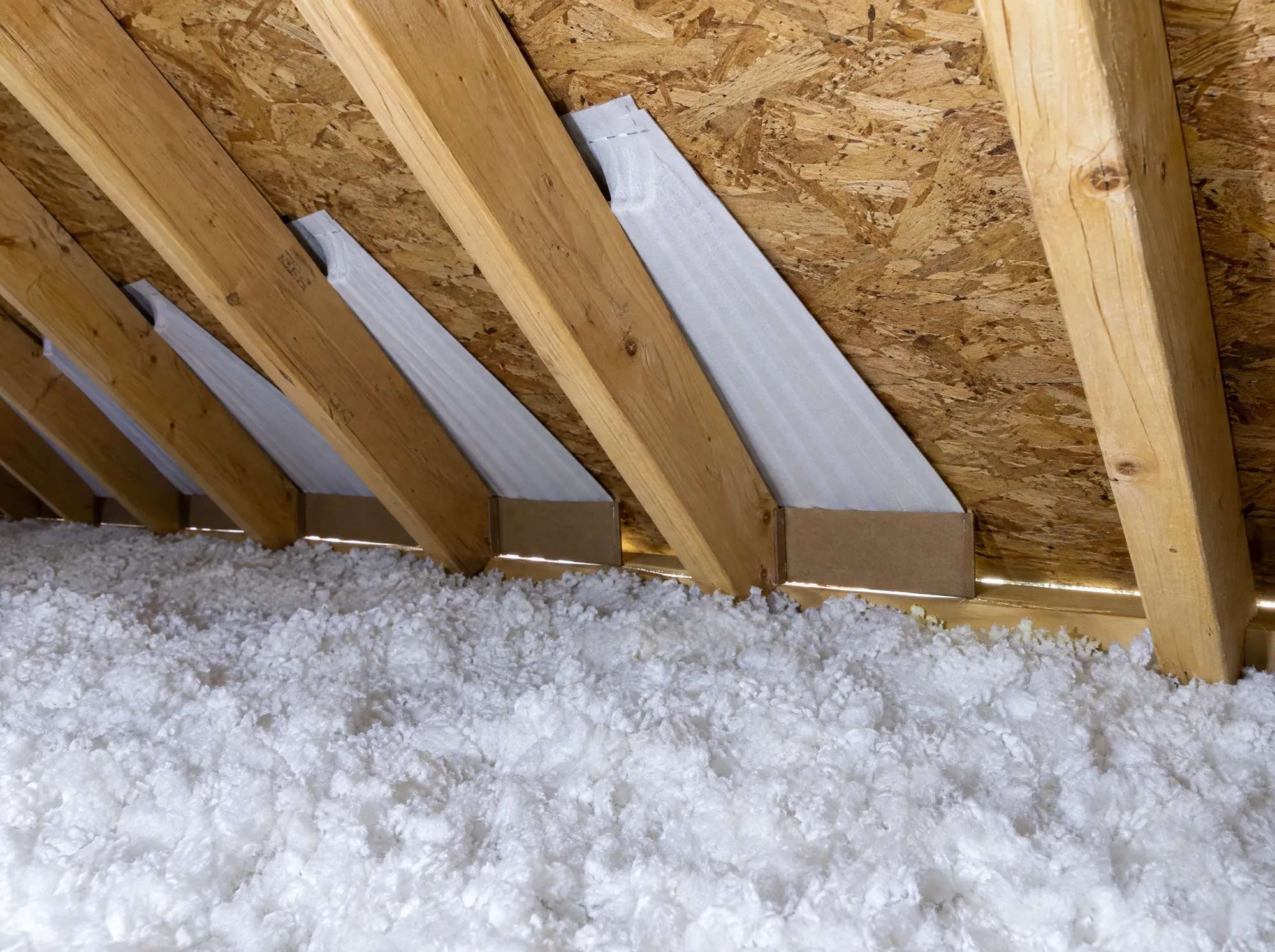
Attic eave with rafter vent baffles and deep blown-in insulation

Why ice dams form

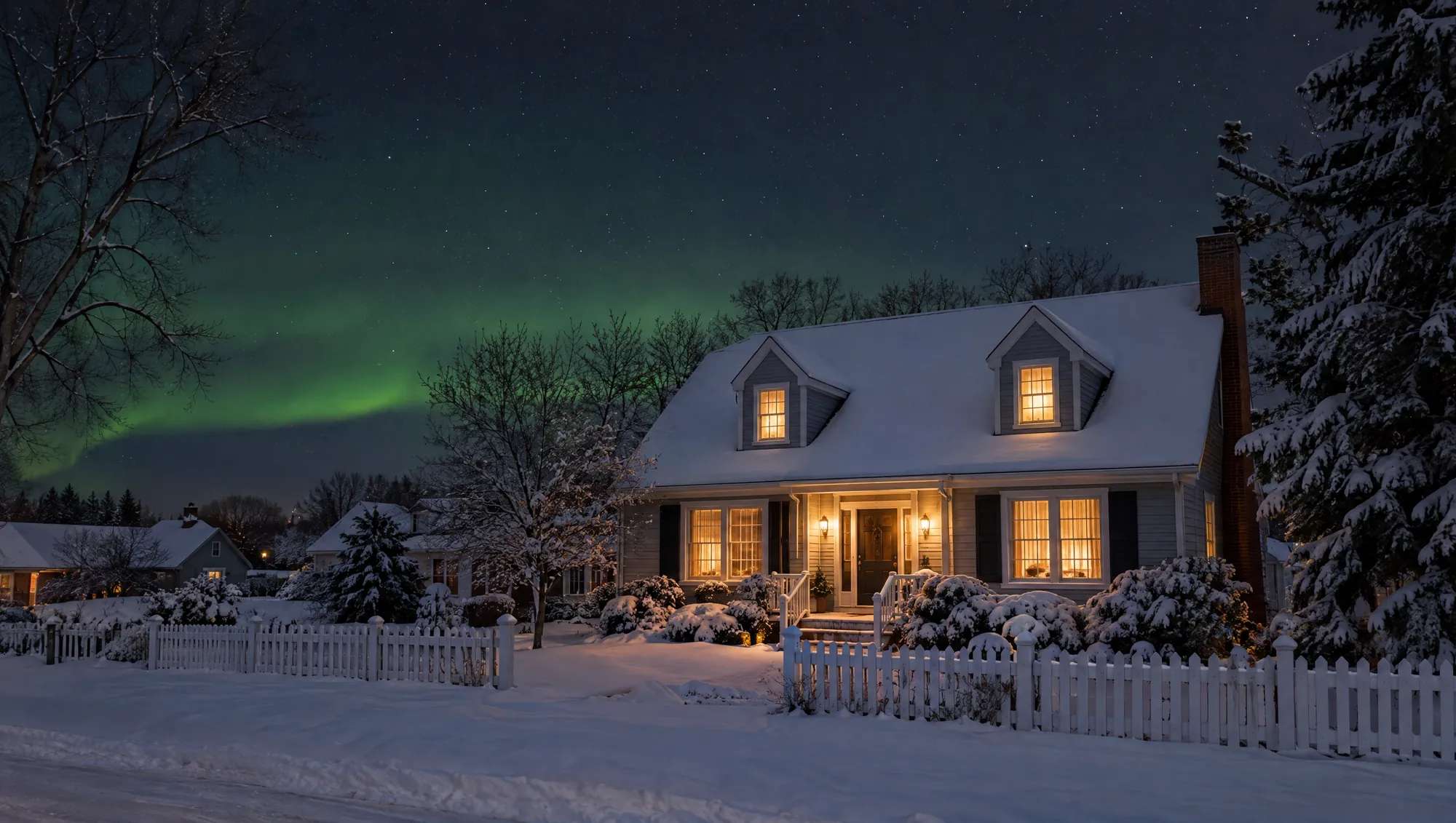
Ice dams start inside the house. Warm air leaks into the attic and heat conducts through thin insulation, warming the roof deck. Snow on the warm part of the roof melts, runs down to the cold eaves and refreezes, building a ridge of ice that backs water up under the shingles.

Heat cable and roof raking treat the symptom. The fix is in the attic: seal the air leaks, insulate to full depth, and ventilate so the roof deck stays cold.
Attic ventilation basics

Attic ventilation works as a system. Cool outside air enters low at the soffit vents and leaves high at a ridge vent or roof vents, carrying away moisture and keeping the roof deck close to outdoor temperature. Building codes set the amount of net free vent area based on the size of the attic floor, split between low intake and high exhaust.

Code also requires at least a 1-inch air space between the insulation and the roof sheathing where the vents are. Rafter baffles hold that channel open so the insulation can go full depth without blocking the airflow.

Signs your attic needs work

Any of these usually points back to the attic:

  • Ice dams or big icicles along the eaves
  • Frost on the underside of the roof sheathing in winter
  • Upstairs rooms that are cold in winter and hot in summer
  • Insulation level with or below the top of the ceiling joists
  • Dark staining or mold on the roof sheathing
  • Heating bills that keep climbing

What an attic project includes

Every attic is different, but a full attic project typically covers:

  • Inspection of the existing insulation, ventilation and roof deck
  • Sealing attic bypasses: wall tops, plumbing stacks, chases, lights and fans
  • Rafter baffles and wind wash dams at the eaves
  • Insulating and weatherstripping the attic hatch
  • Blown-in insulation to R-49 or more
  • A recommendation if your roof needs more exhaust venting

FAQ

Attic insulation & venting questions

What R-value should my attic have in Minnesota?

Minnesota's energy code requires R-49 in the ceilings of new homes. For an existing home, bringing the attic up to R-49 or more is a common target, and it pays off most when the attic is air sealed first.

My attic has frost on the roof boards. Do I need more vents?

Sometimes, but frost usually means warm, moist air is leaking up from the house. Sealing those leaks is typically the bigger fix. We'll look at both the air leaks and the ventilation and tell you what the attic actually needs.

Can you insulate an attic in the winter?

Yes. Attic air sealing and insulation can be done year-round, and winter is when ice dams and frost make the problems easiest to see.

Tell us about your project

Building a barndo, a custom home or a shop? Reach out and we'll set up a time to see it. No pressure, no guesswork pricing.